
Infant
6 weeks – 8 months
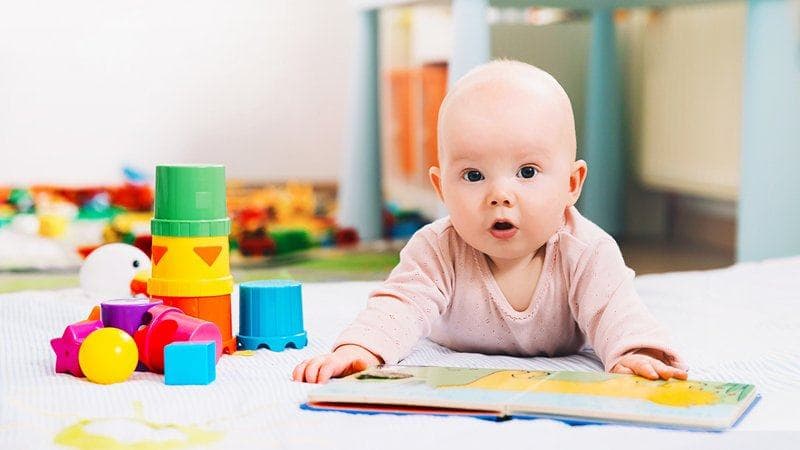
Infant Program
English & Mandarin immersion setting and kindergarten readiness preparation through our play-based curriculum introduces world cultures & traditions through daily explorations.
From 6 weeks to 8 months, infants undergo rapid development, especially in areas such as motor skills, language acquisition, emotional attachment, and cause-interaction. This period is crucial for the development of the brain's sensory abilities, and socialization skills. With appropriate stimulation and interaction from parents or caregivers, infants can fully realize their potential during this critical phase.
Program Details
Language Stimulation
Talk to Your Baby: Even though infants cannot respond with words, it's important to engage in frequent 'conversations' with them. Use simple, clear language to describe objects, actions, and emotions daily — 'This is an apple,' 'Mommy is here' — which helps babies understand language meaning.
Reading and Storytelling: Singing songs and reading books gives your baby understanding of the world. Repetitive phrases and repetitive language are especially beneficial for language development.
Sensory Play and Exploration
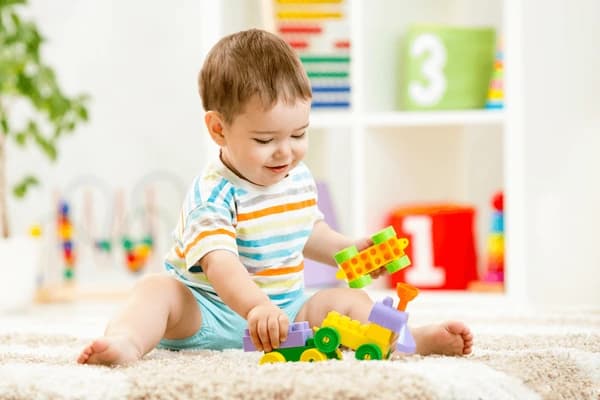
Tactile Play: Introduce infants to different textures and materials like soft stuffed animals, hard blocks, and smooth plastic toys to stimulate their senses and sense of touch. These tactile experiences help infants' cognitive abilities develop.
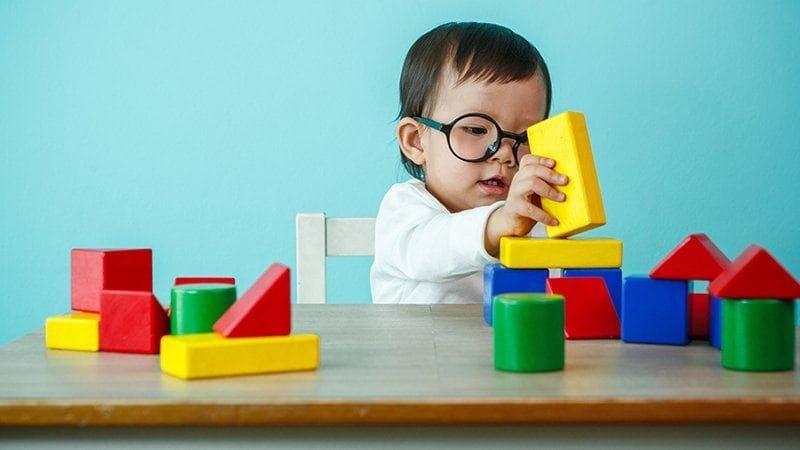
Visual Stimulation: Present objects with bright colors and simple shapes, which can capture the baby's attention and aid in their visual development. Large brightly colored building blocks are great tools for visual exploration.
Auditory Play: Expose your baby to different sounds (like music, jingling bells, or animal sounds) to encourage distinguishing between different sounds. This auditory stimulation is key to developing listening and language skills.
Encouraging Motor Skills
Crawling Practice: Encourage your baby to reach for objects and use of reach to motivate them to move forward. Crawling strengthens their muscles and helps improve their coordination.
Assisted Standing: When your baby can support themselves, let them practice standing with support, which helps develop leg strength and balance.
Grasping and Releasing: Provide toys or objects your baby can grasp and practice transferring between hands. These activities build fine motor skills and hand-eye coordination.